
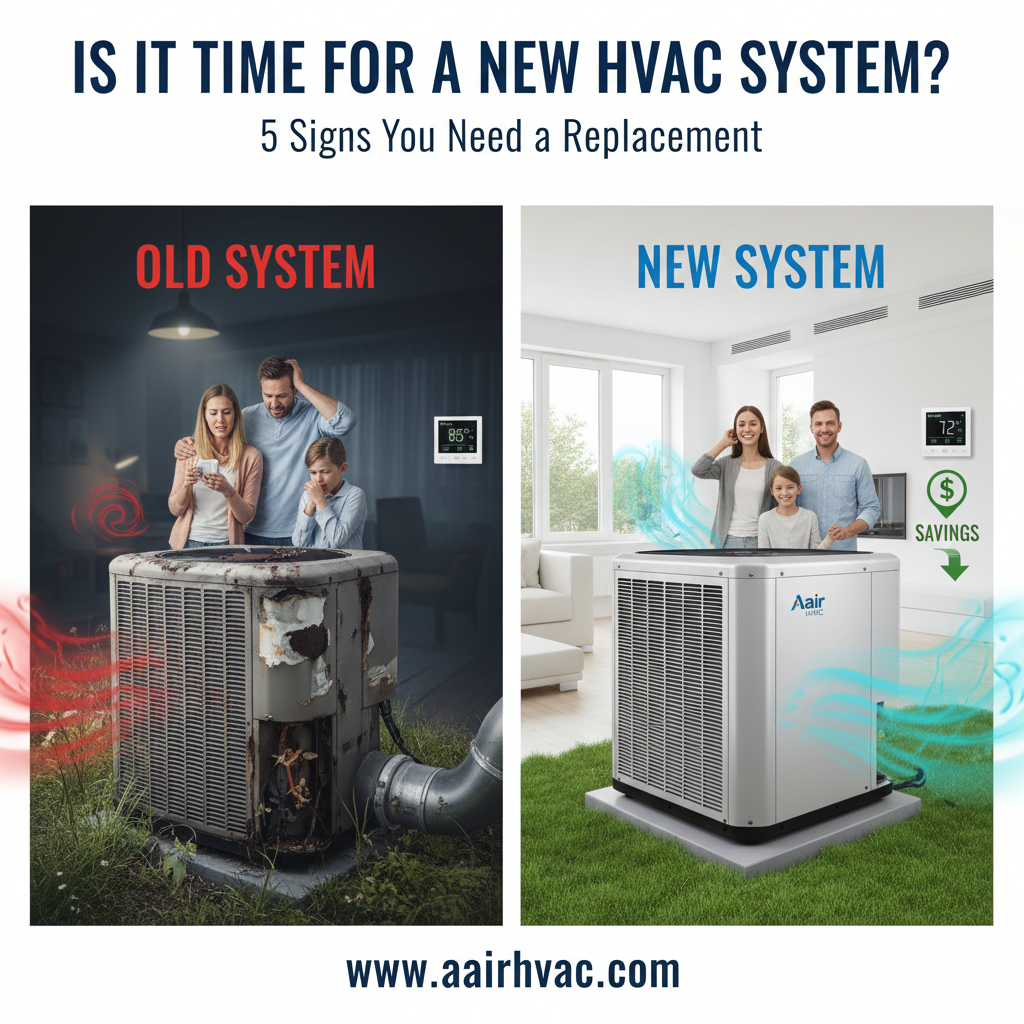
1. Your System is Old and Outdated
The average lifespan of an HVAC system is typically 10-15 years for an air conditioner and 15-20 years for a furnace, though this can vary depending on maintenance and usage. If your system is approaching or has exceeded these age ranges, even with regular repairs, its efficiency will naturally decline. Older units use outdated technology that consumes more energy to produce less comfort. Upgrading to a modern, energy-efficient model can significantly reduce your carbon footprint and monthly utility bills.
2. Frequent Breakdowns and Expensive Repairs
Are you on a first-name basis with your HVAC technician? If your system requires frequent repairs, especially for major components, the cost of these fixes can quickly add up. Sometimes, the cumulative cost of repairs can approach or even exceed the cost of a new system. Constantly patching up an ailing unit is like pouring money into a leaky bucket; eventually, it makes more financial sense to invest in a brand new, reliable system that comes with a warranty.
3. Skyrocketing Energy Bills
One of the most noticeable signs of an inefficient HVAC system is a sudden or steady increase in your energy bills, even when your usage habits haven’t changed. As HVAC components wear out, they have to work harder to maintain your desired temperature. This increased effort translates directly into higher energy consumption. Modern HVAC systems are designed with advanced technologies to maximize efficiency, potentially cutting your heating and cooling costs by a significant margin.
4. Inconsistent Heating and Cooling
Do you have hot and cold spots throughout your home? Is one room always freezing while another is sweltering? An aging or failing HVAC system often struggles to distribute conditioned air evenly. This leads to discomfort and can even strain your system further as it tries to compensate for uneven temperatures. A new system can be properly sized and installed to ensure consistent, comfortable temperatures in every corner of your property.
5. Strange Noises or Odors
While some operational sounds are normal, unusual noises like grinding, squealing, banging, or persistent rattling are red flags. These often indicate mechanical issues such as failing motors, loose parts, or problems with the fan. Similarly, any burning smells, musty odors, or gas-like smells should be taken seriously. While some odors might indicate a simple filter change is needed, persistent or strong unusual smells can signal more serious problems, including potential safety hazards.
The Aair HVAC Advantage
Deciding to replace your HVAC system is a big step, but it’s an investment in your comfort, health, and financial well-being. At Aair HVAC, we offer:
Expert Assessment: Our certified technicians will thoroughly evaluate your current system and your home’s unique needs to recommend the best replacement options.
Top-Tier Products: We install only the highest quality, energy-efficient HVAC systems from leading manufacturers.
Professional Installation: Our team ensures flawless installation for optimal performance and longevity of your new system.
Financing Options: We provide flexible financing solutions to make your new HVAC system an affordable reality.
Don’t wait until your HVAC system completely gives up. If you’re experiencing any of these signs, it’s time to contact the professionals at Aair HVAC for a consultation. We’re here to help you make an informed decision and enjoy consistent comfort and energy savings for years to come.
Visit www.aairhvac.com or call us today to schedule your HVAC evaluation!
#aairhvac #AAirHVAC #TrustedHVAC #YourLocalHVAC

